A roof is one of the most important protective features of any home, yet it is easy to forget about until something goes wrong. A small leak, damaged shingle, or loose flashing may seem insignificant at first, but minor roofing problems can become serious if ignored. Reliable roofing services help protect a home’s structure while maintaining its comfort, safety, and appearance. From routine inspections and maintenance to repairs and complete replacements, roofing services cover many different needs. Understanding what these services involve can help homeowners recognize problems early and make better decisions about their roofing system. Contact your local Kirkland Roofer for more details.
What Are Roofing Services?
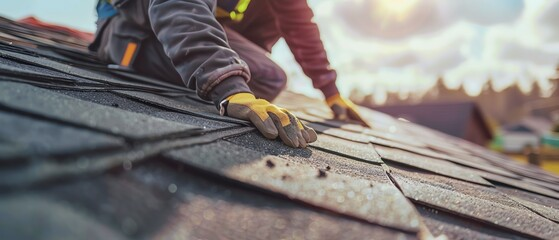
Roofing services include professional work related to installing, maintaining, inspecting, repairing, and replacing roofing systems. These services can involve different roofing materials, designs, and structures, depending on the property’s needs. A roofing project generally begins with an evaluation of the existing roof to determine its condition and identify areas that require attention. The appropriate service can then be recommended based on the type and severity of the problem.
Roofing services are not limited to fixing leaks. They can also address damaged flashing, deteriorated roofing materials, ventilation problems, drainage concerns, and other issues that may affect the performance of the roof. Regular attention can help prevent small concerns from becoming larger and more expensive problems. A well-maintained roofing system can also provide better protection against moisture and weather-related damage. Understanding the range of available services makes it easier for homeowners to determine what their property may need.
Roof Inspection and Assessment
A roof inspection is an important part of responsible home maintenance. During an inspection, the roofing system can be evaluated for visible signs of wear, damage, moisture intrusion, and other potential concerns. Areas such as shingles, flashing, vents, roof edges, valleys, and drainage components may need to be examined. Some problems may not be visible from the ground, making a detailed assessment particularly valuable.
Regular inspections can help homeowners identify problems before they become major repairs. A small damaged area may be relatively simple to address when discovered early, while prolonged moisture intrusion can affect insulation, ceilings, walls, and structural components. Inspections can also be useful after severe weather or when a roof begins to show signs of aging. Understanding the current condition of the roof allows homeowners to make more informed maintenance and repair decisions.
Roof Repair Services
Roof repair is one of the most common types of roofing services. Repairs are intended to address specific problems without necessarily replacing the entire roofing system. Common issues can include damaged or missing shingles, leaks, cracked flashing, damaged seals, and problems around roof penetrations. The appropriate repair depends on the source and extent of the damage.
Identifying the actual source of a roofing problem is important. Water can travel beneath roofing materials before appearing inside the home, so the visible location of a ceiling stain may not be directly below the point where water entered. Simply covering the visible area may not solve the underlying problem. A proper assessment can help determine where moisture is entering and what needs to be repaired. Prompt attention can help limit additional damage and protect the surrounding structure.
Roof Replacement Services
There are situations when repairing a roof is no longer the most practical solution. Extensive deterioration, widespread damage, or an aging roofing system may indicate that replacement is more appropriate. Roof replacement generally involves removing the existing roofing materials, inspecting the underlying structure, addressing damaged areas, and installing a new roofing system. The process can provide an opportunity to improve both the appearance and performance of the roof.
Choosing to replace a roof is a significant investment, so homeowners should consider the condition of the existing system carefully. If repairs have become increasingly frequent or large portions of the roof are deteriorating, replacement may provide better long-term value. The choice of material can also influence the durability, maintenance requirements, and appearance of the new roof. Proper planning can help ensure that the new system is appropriate for the home’s structure and needs.
Roofing Installation
New roof installation requires careful preparation and precise workmanship. Before the roofing materials are installed, the roof deck should be evaluated to ensure that it is suitable for the new system. Damaged sections may need to be repaired or replaced. Underlayment, flashing, ventilation components, and other supporting elements must also be installed correctly to create a complete roofing system.
The primary roofing material is then installed according to the appropriate method for that particular product. Proper alignment, fastening, overlap, and detailing are important for creating a durable and weather-resistant surface. Special attention is needed around roof edges, valleys, vents, chimneys, and other areas where water may enter. A final inspection should be completed after installation to identify any areas that require correction. Careful installation can significantly influence how well a roof performs over time.
Roof Maintenance Services
Routine maintenance can help extend the useful life of a roofing system. Maintenance may involve checking roofing materials, cleaning debris, inspecting flashing, monitoring drainage areas, and identifying early signs of deterioration. Gutters and other drainage components should also be kept clear so water can move away from the roof effectively. Preventive maintenance can reduce the likelihood of certain problems developing into costly repairs.
Maintenance is particularly important because roofing materials are constantly exposed to outdoor conditions. Sunlight, rain, wind, moisture, temperature changes, and falling debris can gradually affect the condition of a roof. Regular inspections can help identify small areas of wear before they spread. A consistent maintenance routine can also give homeowners a better understanding of when larger roofing work may eventually be needed.
Roofing Ventilation and Insulation
Roofing services can also involve ventilation because airflow within the roof and attic area can affect overall performance. Poor ventilation may allow excessive heat and moisture to accumulate. Over time, this can contribute to condensation, deterioration of certain materials, and other moisture-related concerns. Proper ventilation helps support a healthier roof environment by allowing air to move through the appropriate areas.
Insulation and ventilation work together to influence the comfort and efficiency of a home. While insulation helps reduce heat transfer, ventilation helps manage moisture and airflow. When roofing work is being completed, evaluating these systems can help identify opportunities for improvement. A roof should be considered as part of the home’s overall building system rather than simply an exterior covering.
Roofing Materials and Their Importance
The material selected for a roofing system can affect its appearance, durability, maintenance requirements, and overall performance. Common options include asphalt shingles, metal roofing, tile, and other specialized materials. Each material has its own characteristics and installation requirements. The best choice depends on factors such as the structure of the home, roof design, expected lifespan, maintenance preferences, and budget.
Material quality also matters because roofing systems are expected to withstand repeated exposure to outdoor conditions. Homeowners should consider both the initial investment and the long-term performance of the material. A product that requires less maintenance or provides greater durability may offer better value over time. Proper installation remains equally important because even quality materials can perform poorly when they are installed incorrectly.
Signs Your Roof Needs Professional Attention
Homeowners should be aware of warning signs that may indicate roofing problems. Visible missing, cracked, curling, or damaged materials can suggest deterioration. Water stains on ceilings and walls may indicate moisture intrusion, while damp odors can sometimes point to hidden moisture. Sagging areas, damaged flashing, clogged drainage components, and excessive roofing material granules may also deserve attention.
Not every roofing problem produces an obvious interior leak. Some damage can develop beneath the surface before it becomes visible inside the home. This is why regular inspections can be useful even when there are no obvious signs of a problem. Addressing concerns early can reduce the likelihood of extensive damage. Homeowners should avoid delaying professional evaluation when significant deterioration or water intrusion is suspected.
Benefits of Professional Roofing Services
Professional roofing services can provide homeowners with experience, specialized tools, and knowledge of different roofing materials and installation methods. Roofing work often involves working at considerable heights and handling heavy or specialized equipment. Attempting complex repairs without the appropriate experience can create safety risks and potentially cause additional damage. Professional assistance can help ensure that challenging work is completed using appropriate safety and installation practices.
Another benefit is accurate problem identification. A roofing professional may be able to recognize underlying issues that are not obvious to an untrained observer. Instead of treating only the visible symptom, the underlying cause can be investigated. This can help prevent recurring problems and unnecessary repairs. Quality workmanship can also contribute to the durability and long-term performance of the roofing system.
Final Thoughts
Roofing services play an essential role in protecting a home from moisture, weather, and everyday environmental exposure. Inspections, maintenance, repairs, installation, replacement, ventilation work, and material selection all contribute to the performance of a complete roofing system. Recognizing warning signs and addressing problems early can help homeowners avoid more extensive damage. Proper installation and regular maintenance can also extend the useful life of roofing materials. By understanding the different types of roofing services and the importance of professional workmanship, homeowners can make informed decisions that help keep their roofs reliable, functional, and attractive for years to come.