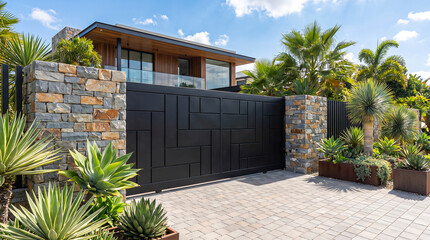
A gate is often the first feature people notice when approaching a property, making it an important part of both security and visual appeal. A well-designed gate can create a strong first impression while controlling access and clearly defining an entrance. Custom Metal Gates take this idea further by allowing the design, dimensions, materials, and finish to be tailored to specific requirements. Instead of settling for a standard design, property owners can create a gate that fits the available space and complements the surrounding architecture. This combination of function and personalization makes custom metal gates an appealing choice for many applications.
Metal is especially useful for gate construction because of its strength and versatility. It can be shaped into simple, modern designs or detailed decorative patterns depending on the desired appearance. Different finishes can also change the gate’s character while helping protect the surface from environmental exposure. A custom approach allows you to consider practical concerns such as size, access, privacy, and security during the design process. With thoughtful planning, a custom metal gate can become a durable feature that provides both practical benefits and lasting visual appeal.
Why Choose Custom Metal Gates Instead of Standard Gates?
One of the main advantages of a custom metal gate is the ability to create a design that fits the exact dimensions of an entrance. Standard gates are usually manufactured according to predetermined sizes, which may not work well with every property. Custom fabrication allows the width, height, shape, and configuration to be adjusted according to the available space. This can be particularly helpful when an entrance has unusual dimensions or architectural features. A properly fitted gate can provide a more balanced appearance while also improving functionality.
Customization also provides greater freedom when selecting the overall style. Property owners can choose simple lines for a modern appearance or incorporate curves, patterns, and decorative elements for a more traditional look. The gate can be designed to complement fences, railings, doors, walls, and other exterior features. This creates a more coordinated appearance instead of making the gate look like a separate addition. Because every design element can be considered together, custom metal gates can offer a more personalized result than mass-produced alternatives.
How Do Custom Metal Gates Improve Security?
Security is one of the most important reasons people install gates around entrances. A strong metal gate can create a physical barrier that helps control access to a property. Depending on the design, the gate can be constructed with sturdy frames, reinforced sections, and reliable locking systems. Height, spacing, and panel configuration can also be selected based on the desired level of visibility and protection. These features can make the entrance more controlled while still allowing the gate to maintain an attractive appearance.
Custom fabrication makes it possible to address specific security concerns during the design stage. For example, a gate can be designed with limited openings when greater privacy is desired. Alternatively, wider spacing can allow visibility while maintaining a clear boundary. Automated opening systems can also be incorporated into some designs for additional convenience and controlled access. The most effective solution depends on the property layout, traffic patterns, and security objectives. Combining strong materials with appropriate hardware and installation can help create a gate that offers dependable protection.
What Metal Options Are Available for Custom Gates?
Steel is one of the most commonly considered materials for custom metal gates because of its strength and structural durability. It can support substantial gate designs and can be fabricated into many different shapes and profiles. Steel is also suitable for both simple and decorative gate styles. With an appropriate protective coating, the surface can be protected against moisture and other environmental factors. Its strength makes it a practical choice when durability and security are major priorities.
Aluminum is another option for custom gate construction and offers a different combination of characteristics. It is lighter than steel, which can make it easier to handle and may reduce the load placed on supporting structures. Aluminum also has natural resistance to corrosion, making it useful in applications where moisture exposure is a concern. Its lightweight nature can be especially beneficial for certain automated gate systems. The best material depends on the gate’s size, structural requirements, environmental conditions, maintenance expectations, and desired appearance.
How Can Custom Metal Gates Enhance Curb Appeal?
A well-designed gate can significantly influence the visual character of an entrance. Because custom metal gates can be created in many shapes and patterns, they can complement a wide range of architectural styles. Clean geometric designs can provide a modern appearance, while decorative scrolls and ornamental details can create a more traditional character. The proportions of the gate can also be adjusted to match the scale of the surrounding property. These design choices can help create an entrance that feels intentional and visually balanced.
Finishing options provide another way to personalize the appearance of a metal gate. Different colors, textures, and surface treatments can be selected to coordinate with nearby architectural elements. A matte finish can create a subtle and contemporary look, while a more detailed finish can emphasize decorative features. Protective coatings can also help maintain the appearance of the metal by reducing exposure-related deterioration. By combining the right design with a suitable finish, a custom gate can provide an attractive entrance feature while supporting its practical purpose.
Can Custom Metal Gates Improve Privacy?
Privacy is another consideration when designing a gate. Open designs can provide visibility through the entrance, while solid panels can reduce the amount of the property that can be seen from outside. Custom fabrication makes it possible to determine how much visual openness or coverage the gate should provide. The arrangement of metal bars, panels, screens, and decorative sections can be adjusted according to the desired level of privacy. This flexibility allows the gate to serve both aesthetic and practical purposes.
A privacy-focused gate does not necessarily need to look heavy or unattractive. Designers can use patterns, cutouts, layered elements, and carefully positioned openings to create visual interest while limiting direct views. Different materials can also be combined to achieve a balance between privacy and openness. The height and proportions of the gate can be selected to complement the surrounding fence or wall. With thoughtful design, a privacy gate can provide greater separation without compromising the overall appearance of the entrance.
What Maintenance Do Custom Metal Gates Require?
Metal gates are generally durable, but regular maintenance can help preserve their appearance and performance. Dirt, dust, moisture, and other contaminants should be removed periodically from the surface. This is particularly important around joints, hinges, fasteners, and other areas where debris can accumulate. Regular cleaning also makes it easier to identify early signs of corrosion, surface damage, or worn components. Addressing minor issues promptly can help prevent them from developing into more expensive repairs.
The maintenance requirements depend on the type of metal and protective finish used. Coated steel may require occasional inspection for chips or scratches that expose the underlying material. Aluminum generally requires less corrosion-related maintenance, although its finish should still be kept clean and inspected periodically. Hinges, rollers, locks, and automated components may require additional attention to keep the gate operating smoothly. Consistent care can extend the useful life of the gate and help maintain its original appearance.
How Should You Plan a Custom Metal Gate?
Planning should begin by identifying the primary purpose of the gate. Some property owners may prioritize security, while others may focus more heavily on privacy, appearance, convenience, or a combination of these factors. The available entrance space should be measured carefully to determine the appropriate dimensions and opening configuration. The surrounding fence, walls, driveway, walkways, and landscaping should also be considered. A complete understanding of these conditions can help guide the design toward a practical and visually cohesive result.
Hardware and operating requirements should also be considered before fabrication begins. A manual gate may be appropriate for some entrances, while an automated system may provide greater convenience for frequently used access points. The weight and size of the gate can influence the type of hinges, rollers, supports, and opening mechanisms required. Safety features should also be incorporated where appropriate, particularly for automated systems. Careful planning can reduce installation complications and help ensure that the completed gate performs as expected.
Final Thoughts
Custom metal gates offer a combination of strength, flexibility, security, privacy, and visual appeal. Their ability to be designed according to specific dimensions and preferences makes them different from standard gate systems. Property owners can select materials, patterns, finishes, heights, and operating styles that fit their particular needs. With proper planning, a custom gate can provide reliable access control while enhancing the appearance of an entrance. Its long-term performance can also be supported through appropriate installation and routine maintenance.
Choosing a custom metal gate is ultimately about creating a solution that works for both practical and aesthetic requirements. A thoughtfully designed gate can strengthen an entrance, improve privacy, and create a distinctive architectural feature. The right material and finish can further contribute to durability and appearance. Considering security, functionality, maintenance, and design together can lead to a more satisfying result. When these elements are carefully balanced, a custom metal gate can provide lasting value and a strong finishing touch to any property.