Few household emergencies escalate as quickly as unwanted water spreading across a home. A burst pipe, overflowing appliance, or sudden roof leak can transform a normal day into a stressful situation within minutes. As water flows through floors, walls, and furniture, the amount of damage increases with every passing moment. Many homeowners instinctively begin removing visible water, but they may not realize how quickly moisture spreads into hidden structural areas. Understanding what Emergency Water Removal Salt Lake City involves and why immediate action matters can help homeowners reduce damage, protect their property, and begin the recovery process as efficiently as possible.
What Is Emergency Water Removal?
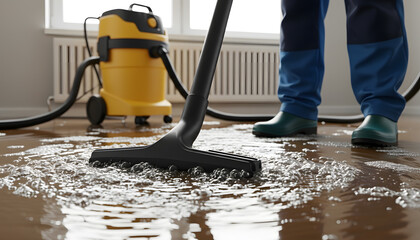
Emergency water removal is the immediate process of extracting unwanted water from a property after a sudden water intrusion. The primary objective is to stop water from causing additional damage while preparing the home for thorough drying and restoration. Unlike routine cleanup, emergency water removal focuses on responding as quickly as possible because every hour of delay allows moisture to spread farther into structural materials. Acting immediately helps reduce the overall impact on the home and may limit the amount of repair work required later.
Emergency water removal is only the first stage of the recovery process. Once standing water has been removed, attention shifts toward identifying hidden moisture inside walls, flooring, ceilings, insulation, and other building materials. These areas often continue holding water even after visible puddles have disappeared. Thorough drying and careful evaluation become essential after the initial extraction has been completed. Removing standing water quickly creates the best possible starting point for successful restoration.
What Situations Require Emergency Water Removal?
Many different events can create a need for emergency water removal. Burst plumbing pipes remain one of the most common causes because they can release large amounts of water in a very short period. Overflowing washing machines, leaking water heaters, broken supply lines, and damaged plumbing fixtures may also flood sections of a home unexpectedly. In many cases, these incidents occur while homeowners are away, allowing water to spread extensively before it is discovered. The sooner the water source is stopped, the easier it becomes to limit additional damage.
Severe weather may also introduce significant amounts of water into a property. Heavy rainfall, roof leaks, overflowing gutters, and poor exterior drainage can allow water to enter basements, crawl spaces, or living areas. Ice dams and melting snow may also contribute to interior water intrusion under certain conditions. Regardless of the source, rapid water removal helps reduce the amount of moisture absorbed by building materials. Prompt action remains essential whenever unexpected water enters the home.
Why Is Immediate Water Removal So Important?
Water begins affecting building materials almost immediately after entering the home. Drywall absorbs moisture quickly, wood starts expanding, carpeting becomes saturated, and insulation loses much of its effectiveness once it becomes wet. As water continues spreading, it reaches areas that may not be visible during the initial inspection. Delaying removal allows moisture to penetrate deeper into the structure, making restoration more complicated and increasing repair costs. Responding quickly helps preserve more of the home’s existing materials.
Fast water removal also limits the overall area affected by the incident. Standing water naturally follows gravity, allowing it to travel beneath flooring, behind walls, and into lower levels of the home. Even a relatively small plumbing failure can affect multiple rooms if left unattended for several hours. Removing water before it has an opportunity to spread helps reduce structural deterioration and shortens the overall restoration timeline. Time remains one of the most valuable factors in successful water damage recovery.
What Happens During the Emergency Water Removal Process?
The process usually begins by identifying and stopping the source of the water whenever it is safe to do so. If the problem involves plumbing, shutting off the water supply prevents additional flooding while allowing removal efforts to begin. Once the water source has been controlled, the affected areas are evaluated to determine the extent of the flooding. This assessment helps identify where water has accumulated and which materials have been exposed. Understanding the full scope of the situation supports a more effective response.
After the assessment, standing water is removed from the property using appropriate extraction methods. Once visible water has been eliminated, attention turns toward removing remaining moisture trapped within structural materials. Floors, walls, ceilings, and other affected surfaces are carefully monitored throughout the drying process to ensure moisture levels continue decreasing. This stage is essential because surfaces that appear dry may still contain hidden moisture. Emergency water removal therefore serves as the foundation for every successful restoration project.
How Can Homeowners Respond Before Help Arrives?
The first priority is always protecting personal safety. Homeowners should avoid entering flooded areas if electrical hazards or structural damage may be present. If conditions are safe, shutting off the main water supply can prevent additional flooding when plumbing failures are involved. Personal belongings should be moved away from standing water whenever possible to reduce further damage. Taking these simple steps helps limit losses while waiting for additional assistance.
Documenting the affected areas is also beneficial before cleanup changes the appearance of the property. Photographs of damaged flooring, walls, furniture, and belongings provide valuable records that may be useful later. Homeowners should also keep an eye on surrounding rooms because water often spreads beyond the obvious flooding area. Remaining alert for discoloration, soft materials, or visible moisture helps identify additional locations that may require attention. Careful observation supports a more complete recovery process.
How Can Homeowners Reduce the Risk of Future Water Emergencies?
Preventing future water emergencies begins with routine maintenance throughout the home. Plumbing systems should be inspected regularly for signs of corrosion, loose fittings, worn hoses, and aging supply lines. Water heaters, dishwashers, washing machines, and refrigerators connected to water should also receive periodic inspections because these appliances commonly develop leaks over time. Replacing worn components before they fail significantly reduces the likelihood of unexpected flooding. Preventive maintenance often saves homeowners substantial repair costs.
Exterior maintenance is equally important because weather related water intrusion frequently begins outside the home. Gutters should remain clean so rainwater flows away from the roof efficiently, while downspouts should discharge water away from the foundation. Roof coverings, flashing, windows, and exterior seals should be inspected periodically for signs of deterioration that may allow water to enter. Good drainage around the property also helps prevent water from collecting near the home’s foundation. These preventive measures strengthen the home’s overall protection against future water emergencies.
Why Is Professional Water Removal Important?
Although homeowners may remove some visible water themselves, emergency water removal often involves much more than surface cleanup. Water frequently reaches hidden structural areas that are difficult to evaluate without specialized knowledge and equipment. A thorough assessment helps identify trapped moisture before it causes additional deterioration. Addressing these hidden areas is an essential part of protecting the home’s long-term structural condition. Comprehensive water removal focuses on the entire property rather than only the areas that are immediately visible.
Professional water removal also supports the restoration process by ensuring the home is prepared for complete drying and repairs. Moisture levels are carefully monitored throughout recovery to confirm that structural materials have reached appropriate conditions before reconstruction begins. This careful approach reduces the likelihood of ongoing damage while improving the effectiveness of future repairs. Homeowners benefit from greater confidence that the property has been evaluated thoroughly after a water emergency. A complete response provides lasting protection that extends beyond simply removing standing water.
Final Thoughts
Emergency water removal is one of the most important steps in limiting the damage caused by unexpected flooding inside a home. Acting quickly helps reduce the spread of moisture, protect structural materials, and create better conditions for successful restoration. Whether the water originates from a plumbing failure, appliance malfunction, roof leak, or severe weather, immediate response significantly improves the chances of preserving the property’s condition. Combined with regular maintenance and careful attention to early warning signs, prompt water removal helps homeowners avoid larger repair projects and recover more efficiently. Understanding the importance of emergency water removal allows homeowners to respond confidently when unexpected water emergencies occur and better protect their homes for the future.