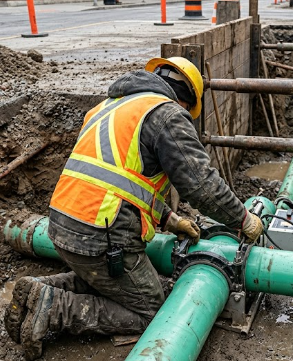
A properly functioning sewer line is one of the most important parts of a home’s plumbing system, yet it often goes unnoticed until a serious problem develops. The sewer line carries wastewater safely away from the home, and when it becomes damaged or blocked, it can lead to unpleasant odors, slow drains, sewage backups, and even property damage. While some plumbing issues are minor, sewer line problems typically require prompt attention to prevent more extensive repairs. Understanding Sewer Line Repair Westminster process helps homeowners recognize warning signs early and appreciate the importance of addressing problems before they escalate. Quick action can protect both the plumbing system and the home’s structural integrity.
What Causes Sewer Line Damage?
Sewer lines can become damaged for many different reasons, and identifying the cause is an important part of the repair process. One of the most common causes is the natural aging of underground pipes. Older plumbing materials may gradually weaken, crack, corrode, or shift as they are exposed to changing soil conditions and years of continuous use. As these pipes deteriorate, wastewater may no longer flow efficiently through the system. Regular inspections help identify aging infrastructure before complete failure occurs.
Tree roots are another frequent cause of sewer line damage. As roots search for moisture, they naturally grow toward underground pipes and may enter through tiny cracks or loose joints. Once inside the pipe, they continue expanding, restricting water flow and eventually causing severe blockages or structural damage. Soil movement, heavy vehicle traffic above underground lines, freezing temperatures, and improper disposal of grease or non-flushable materials can also contribute to sewer line problems. Understanding these common causes supports better long-term prevention.
What Are the Signs That a Sewer Line Needs Repair?
One of the earliest warning signs of sewer line trouble is slow drainage throughout multiple plumbing fixtures. When sinks, bathtubs, showers, and toilets all begin draining more slowly than normal, the problem may extend beyond an individual drain and involve the main sewer line. Frequent drain backups that return shortly after being cleared may also indicate a larger issue underground. Persistent plumbing problems should never be ignored because they often worsen over time. Early diagnosis helps minimize repair costs.
Homeowners may also notice foul odors around drains, damp areas in the yard, unusually green patches of grass, or sewage backing up into lower-level plumbing fixtures. Gurgling sounds coming from toilets or drains can signal trapped air caused by restricted wastewater flow inside the sewer line. In some situations, unexplained increases in pest activity may also result from damaged sewer pipes. Recognizing these warning signs early allows repairs to begin before more extensive property damage occurs. Prompt action often prevents emergency plumbing situations.
How Does the Sewer Line Repair Process Begin?
The sewer line repair process usually starts with a detailed inspection to determine the location and severity of the damage. Rather than relying on guesswork, modern inspections often use specialized sewer cameras that travel through the pipeline to provide a clear view of the interior condition. These inspections help identify cracks, root intrusion, collapsed sections, blockages, corrosion, or pipe misalignment without unnecessary excavation. Accurate diagnosis ensures the repair plan addresses the actual problem. Thorough inspections improve repair efficiency.
After the inspection is complete, the plumber evaluates the findings and recommends the most appropriate repair method. The selected solution depends on several factors, including the age of the pipe, the extent of the damage, the pipe material, and the accessibility of the affected area. Minor damage may require localized repairs, while more extensive deterioration could require replacing larger sections of the sewer line. Every repair strategy is customized to the property’s specific conditions. Careful planning supports successful long-term results.
What Sewer Line Repair Methods Are Commonly Used?
Traditional sewer line repair involves excavating the affected area to access the damaged pipe directly. Once exposed, the damaged section is removed and replaced with new piping before the excavation is carefully restored. This method remains appropriate for severely collapsed pipes or situations where significant structural damage has occurred. Although excavation requires more labor, it allows complete replacement of damaged pipe sections. Direct access provides a reliable long-term solution for extensive damage.
In some situations, trenchless sewer repair methods may be considered depending on the condition of the existing pipeline. These techniques are designed to reduce surface disruption by limiting the amount of excavation required. Depending on the circumstances, trenchless methods may restore damaged sections while preserving landscaping, driveways, or sidewalks above the sewer line. The suitability of these methods depends on the pipe’s condition and the type of damage identified during inspection. Professional evaluation helps determine the most appropriate repair approach.
How Can Homeowners Prevent Sewer Line Problems?
Preventive maintenance plays a major role in reducing the likelihood of sewer line damage. Homeowners should avoid flushing wipes, paper towels, hygiene products, grease, cooking oils, coffee grounds, and other materials that can accumulate inside the plumbing system. Even products labeled as flushable may contribute to blockages over time when combined with other debris. Proper waste disposal helps maintain unrestricted wastewater flow. Everyday habits greatly influence the health of the plumbing system.
Regular plumbing inspections also help identify developing sewer line problems before they become major repairs. Homes with mature trees near underground sewer lines may benefit from periodic inspections that monitor root activity. Addressing small cracks, early blockages, or minor root intrusion before significant damage develops often reduces future repair costs. Routine maintenance protects both the plumbing system and the surrounding property. Prevention remains one of the most effective plumbing investments.
How Long Does Sewer Line Repair Take?
The time required to complete sewer line repair depends on several factors, including the location of the damage, the repair method selected, weather conditions, and the complexity of the plumbing system. Smaller localized repairs may be completed relatively quickly, while larger projects involving extensive excavation or pipe replacement naturally require additional time. Every property presents different challenges that influence the overall schedule. Accurate planning helps homeowners understand what to expect during the repair process.
Unexpected conditions discovered after work begins may occasionally extend the timeline. Additional pipe deterioration, underground utility conflicts, unstable soil conditions, or hidden structural damage can all require modifications to the original repair plan. Thorough inspections reduce the likelihood of unexpected surprises, but experienced plumbers remain prepared to adjust the repair strategy if necessary. Careful workmanship remains more important than rushing the project. Quality repairs provide greater long-term reliability.
When Should Homeowners Call a Professional?
Because sewer lines are located underground and connected to the home’s primary plumbing system, professional evaluation is recommended whenever recurring drain problems or sewage backups occur. Attempting temporary fixes without identifying the underlying cause may allow the damage to continue worsening beneath the property. Professional inspections provide accurate information about the condition of the sewer line before repairs begin. Early diagnosis often prevents larger restoration projects. Prompt attention protects both the home and the plumbing system.
Professional plumbers also have specialized equipment that allows them to inspect underground pipes, locate damaged sections accurately, and recommend the most effective repair method. Their experience helps ensure repairs restore proper wastewater flow while complying with current plumbing standards. Reliable workmanship minimizes the likelihood of recurring sewer line issues in the future. Investing in professional repairs supports long-term plumbing performance and peace of mind.
Final Thoughts
Sewer line repair is an important part of maintaining a safe, efficient, and reliable plumbing system. Whether the damage results from aging pipes, tree root intrusion, shifting soil, or persistent blockages, addressing sewer line problems early helps prevent sewage backups, water damage, and costly structural repairs. Through detailed inspections, accurate diagnosis, and appropriate repair methods, homeowners can restore proper wastewater flow while protecting their property’s long-term value. Routine maintenance and early attention to warning signs remain the best strategies for avoiding major sewer line repairs in the future.