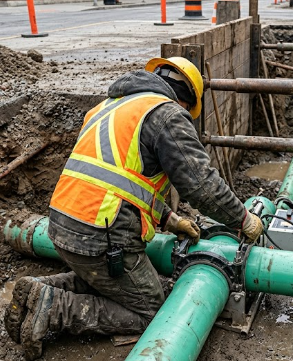
Sewer Line Repair

Sewer Line Repair: What Homeowners Need to Know About Restoring Damaged Sewer Pipes

Sewer Line Repair

A properly functioning sewer line is one of the most important parts of a home’s plumbing system, yet it often goes unnoticed until a serious problem develops. The sewer line carries wastewater safely away from the home, and when it becomes damaged or blocked, it can lead to unpleasant odors, slow drains, sewage backups, and even property damage. While some plumbing issues are minor, sewer line problems typically require prompt attention to prevent more extensive repairs. Understanding Sewer Line Repair Westminster process helps homeowners recognize warning signs early and appreciate the importance of addressing problems before they escalate. Quick action can protect both the plumbing system and the home’s structural integrity.

What Causes Sewer Line Damage?

Sewer lines can become damaged for many different reasons, and identifying the cause is an important part of the repair process. One of the most common causes is the natural aging of underground pipes. Older plumbing materials may gradually weaken, crack, corrode, or shift as they are exposed to changing soil conditions and years of continuous use. As these pipes deteriorate, wastewater may no longer flow efficiently through the system. Regular inspections help identify aging infrastructure before complete failure occurs.

Tree roots are another frequent cause of sewer line damage. As roots search for moisture, they naturally grow toward underground pipes and may enter through tiny cracks or loose joints. Once inside the pipe, they continue expanding, restricting water flow and eventually causing severe blockages or structural damage. Soil movement, heavy vehicle traffic above underground lines, freezing temperatures, and improper disposal of grease or non-flushable materials can also contribute to sewer line problems. Understanding these common causes supports better long-term prevention.

What Are the Signs That a Sewer Line Needs Repair?

One of the earliest warning signs of sewer line trouble is slow drainage throughout multiple plumbing fixtures. When sinks, bathtubs, showers, and toilets all begin draining more slowly than normal, the problem may extend beyond an individual drain and involve the main sewer line. Frequent drain backups that return shortly after being cleared may also indicate a larger issue underground. Persistent plumbing problems should never be ignored because they often worsen over time. Early diagnosis helps minimize repair costs.

Homeowners may also notice foul odors around drains, damp areas in the yard, unusually green patches of grass, or sewage backing up into lower-level plumbing fixtures. Gurgling sounds coming from toilets or drains can signal trapped air caused by restricted wastewater flow inside the sewer line. In some situations, unexplained increases in pest activity may also result from damaged sewer pipes. Recognizing these warning signs early allows repairs to begin before more extensive property damage occurs. Prompt action often prevents emergency plumbing situations.

How Does the Sewer Line Repair Process Begin?

The sewer line repair process usually starts with a detailed inspection to determine the location and severity of the damage. Rather than relying on guesswork, modern inspections often use specialized sewer cameras that travel through the pipeline to provide a clear view of the interior condition. These inspections help identify cracks, root intrusion, collapsed sections, blockages, corrosion, or pipe misalignment without unnecessary excavation. Accurate diagnosis ensures the repair plan addresses the actual problem. Thorough inspections improve repair efficiency.

After the inspection is complete, the plumber evaluates the findings and recommends the most appropriate repair method. The selected solution depends on several factors, including the age of the pipe, the extent of the damage, the pipe material, and the accessibility of the affected area. Minor damage may require localized repairs, while more extensive deterioration could require replacing larger sections of the sewer line. Every repair strategy is customized to the property’s specific conditions. Careful planning supports successful long-term results.

What Sewer Line Repair Methods Are Commonly Used?

Traditional sewer line repair involves excavating the affected area to access the damaged pipe directly. Once exposed, the damaged section is removed and replaced with new piping before the excavation is carefully restored. This method remains appropriate for severely collapsed pipes or situations where significant structural damage has occurred. Although excavation requires more labor, it allows complete replacement of damaged pipe sections. Direct access provides a reliable long-term solution for extensive damage.

In some situations, trenchless sewer repair methods may be considered depending on the condition of the existing pipeline. These techniques are designed to reduce surface disruption by limiting the amount of excavation required. Depending on the circumstances, trenchless methods may restore damaged sections while preserving landscaping, driveways, or sidewalks above the sewer line. The suitability of these methods depends on the pipe’s condition and the type of damage identified during inspection. Professional evaluation helps determine the most appropriate repair approach.

How Can Homeowners Prevent Sewer Line Problems?

Preventive maintenance plays a major role in reducing the likelihood of sewer line damage. Homeowners should avoid flushing wipes, paper towels, hygiene products, grease, cooking oils, coffee grounds, and other materials that can accumulate inside the plumbing system. Even products labeled as flushable may contribute to blockages over time when combined with other debris. Proper waste disposal helps maintain unrestricted wastewater flow. Everyday habits greatly influence the health of the plumbing system.

Regular plumbing inspections also help identify developing sewer line problems before they become major repairs. Homes with mature trees near underground sewer lines may benefit from periodic inspections that monitor root activity. Addressing small cracks, early blockages, or minor root intrusion before significant damage develops often reduces future repair costs. Routine maintenance protects both the plumbing system and the surrounding property. Prevention remains one of the most effective plumbing investments.

How Long Does Sewer Line Repair Take?

The time required to complete sewer line repair depends on several factors, including the location of the damage, the repair method selected, weather conditions, and the complexity of the plumbing system. Smaller localized repairs may be completed relatively quickly, while larger projects involving extensive excavation or pipe replacement naturally require additional time. Every property presents different challenges that influence the overall schedule. Accurate planning helps homeowners understand what to expect during the repair process.

Unexpected conditions discovered after work begins may occasionally extend the timeline. Additional pipe deterioration, underground utility conflicts, unstable soil conditions, or hidden structural damage can all require modifications to the original repair plan. Thorough inspections reduce the likelihood of unexpected surprises, but experienced plumbers remain prepared to adjust the repair strategy if necessary. Careful workmanship remains more important than rushing the project. Quality repairs provide greater long-term reliability.

When Should Homeowners Call a Professional?

Because sewer lines are located underground and connected to the home’s primary plumbing system, professional evaluation is recommended whenever recurring drain problems or sewage backups occur. Attempting temporary fixes without identifying the underlying cause may allow the damage to continue worsening beneath the property. Professional inspections provide accurate information about the condition of the sewer line before repairs begin. Early diagnosis often prevents larger restoration projects. Prompt attention protects both the home and the plumbing system.

Professional plumbers also have specialized equipment that allows them to inspect underground pipes, locate damaged sections accurately, and recommend the most effective repair method. Their experience helps ensure repairs restore proper wastewater flow while complying with current plumbing standards. Reliable workmanship minimizes the likelihood of recurring sewer line issues in the future. Investing in professional repairs supports long-term plumbing performance and peace of mind.

Final Thoughts

Sewer line repair is an important part of maintaining a safe, efficient, and reliable plumbing system. Whether the damage results from aging pipes, tree root intrusion, shifting soil, or persistent blockages, addressing sewer line problems early helps prevent sewage backups, water damage, and costly structural repairs. Through detailed inspections, accurate diagnosis, and appropriate repair methods, homeowners can restore proper wastewater flow while protecting their property’s long-term value. Routine maintenance and early attention to warning signs remain the best strategies for avoiding major sewer line repairs in the future.


Pest Control

What Is the Difference Between Pest Control and Extermination? A Complete Guide for Homeowners

Pest Control

Many homeowners use the terms pest control and extermination interchangeably, but they are not exactly the same. While both services aim to deal with unwanted insects and rodents, they often take different approaches to solving the problem. Extermination typically focuses on eliminating pests that are currently present, while Pest Control Stuart is generally a broader strategy that includes prevention, monitoring, and long-term management.

Understanding these differences can help homeowners choose the right solution based on the type of pest, the severity of the infestation, and their long-term goals. Learning how pest control and extermination compare makes it easier to protect both the home and the people living in it.

What Is Pest Control?

Pest control is a comprehensive approach to managing unwanted insects, rodents, and other pests by reducing current activity while preventing future infestations. Instead of concentrating only on removing pests that are already visible, pest control focuses on understanding why they entered the property in the first place. Technicians inspect the home to identify food sources, moisture issues, structural openings, and environmental conditions that attract pests. By addressing these contributing factors, pest control helps reduce the likelihood of recurring infestations. Prevention is one of the key principles of modern pest management.

Many pest control programs also include regular inspections and ongoing maintenance throughout the year. These scheduled visits allow technicians to monitor pest activity, refresh preventative treatments when necessary, and identify developing problems before they become serious. This proactive strategy helps homeowners maintain consistent protection instead of waiting until an infestation becomes obvious. Long-term monitoring often produces more reliable results than reacting only after pests appear. Pest control is designed to provide lasting protection rather than temporary relief.

What Is Extermination?

Extermination generally refers to the process of eliminating an existing pest infestation as quickly as possible. This approach is often used when a property already has a significant number of insects or rodents that require immediate attention. The primary objective is to remove the active pest population using treatment methods selected for the specific infestation. Extermination can provide rapid results when immediate pest reduction is necessary. It is often the first step in addressing severe infestations.

Although extermination can successfully reduce or eliminate active pests, it may not always address the conditions that allowed the infestation to develop. If entry points remain open or food and water sources are still available, new pests may eventually return. Without additional preventative measures, homeowners may experience recurring infestations over time. This is why many pest management professionals combine extermination with longer-term prevention strategies. Eliminating pests is only part of the overall solution.

How Do Pest Control and Extermination Differ?

The primary difference between pest control and extermination lies in their overall objectives. Extermination focuses on removing pests that are already present, while pest control aims to manage pest populations over the long term through prevention, monitoring, and targeted treatments. Pest control views the property as an entire environment that influences pest activity rather than simply treating individual insects or rodents. This broader perspective often results in more sustainable outcomes. Long-term management distinguishes pest control from one-time extermination services.

Another important difference is the level of ongoing involvement after the initial treatment. Extermination services may conclude once the immediate infestation has been addressed, whereas pest control frequently includes follow-up visits to monitor results and prevent future problems. These continued inspections help identify new pest activity before it develops into another infestation. Ongoing maintenance supports consistent protection throughout the year. Preventive care often reduces the need for repeated emergency treatments.

When Should Homeowners Consider Pest Control?

Pest control is often the best option for homeowners who want long-term protection against a variety of common household pests. Regular service helps reduce the risk of infestations involving ants, spiders, cockroaches, rodents, termites, and many other unwanted pests before they become severe. Preventative treatments are especially valuable for homes located near wooded areas, standing water, or dense vegetation where pest activity may be more common. Routine inspections also help identify structural issues that could allow pests to enter. Early prevention supports better long-term results.

Homeowners who have experienced recurring pest problems may also benefit from ongoing pest control services. Repeated infestations often indicate that underlying conditions have not been fully addressed. Moisture problems, damaged weather sealing, foundation cracks, or cluttered storage areas may continue attracting pests even after previous treatments. Pest control programs focus on correcting these issues while monitoring the property over time. Consistent maintenance provides greater peace of mind.

When Is Extermination the Better Choice?

Extermination may be appropriate when homeowners are facing a large or rapidly growing infestation that requires immediate action. Rodent populations, aggressive wasp nests, widespread cockroach activity, or severe flea infestations can often benefit from prompt treatment to reduce the number of active pests quickly. In these situations, immediate removal helps minimize property damage and improves living conditions. Fast intervention is particularly important when pests present health or safety concerns. Timely action helps prevent infestations from worsening.

After the immediate infestation has been eliminated, homeowners may still benefit from transitioning to a preventative pest control program. This combination allows the urgent problem to be resolved while reducing the likelihood of future infestations. Ongoing monitoring also provides an opportunity to evaluate whether any additional treatment or property improvements are necessary. Combining extermination with prevention often delivers the most complete solution. Long-term protection begins after the initial infestation has been addressed.

How Does Prevention Help Reduce Pest Problems?

Prevention is one of the most valuable aspects of modern pest control because it focuses on making the property less attractive to unwanted pests. Sealing entry points, repairing leaks, improving sanitation, and reducing outdoor hiding places all limit the resources pests need to survive. These preventive measures often decrease the likelihood of future infestations even before treatment products are applied. A well-maintained home naturally discourages many common pests. Prevention reduces dependence on repeated treatments.

Routine inspections also play a major role in prevention by identifying developing problems before they become serious. Small signs such as droppings, damaged food packaging, moisture buildup, or minor insect activity can often be addressed quickly when discovered early. Regular evaluations allow homeowners to respond before pests establish larger populations. Early intervention generally requires less extensive treatment than waiting until an infestation becomes severe. Consistent monitoring strengthens every prevention strategy.

How Can Homeowners Decide Which Service They Need?

Choosing between pest control and extermination depends largely on the condition of the property and the severity of the pest problem. If the goal is to eliminate an active infestation quickly, extermination may provide the immediate results needed. However, homeowners who want to reduce the chances of future infestations often benefit from a comprehensive pest control program that includes inspections, preventative treatments, and ongoing monitoring. Evaluating both immediate and long-term needs helps determine the most appropriate approach. Every property presents unique pest management challenges.

Consulting with a qualified pest management professional can also help homeowners make an informed decision. A detailed inspection identifies the type of pest involved, the extent of the infestation, and the environmental factors contributing to the problem. Based on these findings, a treatment plan can be developed that balances immediate pest removal with long-term prevention. Understanding the differences between pest control and extermination allows homeowners to select a strategy that provides lasting protection. In many cases, combining both approaches offers the greatest overall benefit.

Final Thoughts

Understanding the difference between pest control and extermination helps homeowners choose the right solution for protecting their property. Extermination focuses on eliminating active infestations quickly, while pest control takes a broader approach by combining treatment, prevention, monitoring, and ongoing maintenance. Although both services play important roles, long-term pest management often provides more sustainable protection by addressing the conditions that attract pests in the first place. By selecting the approach that best fits their situation, homeowners can reduce pest activity, protect their property, and enjoy a healthier and more comfortable living environment.

Antique

Antique Furniture Vs Vintage Decor – What’s the Difference?

Antique

Designers and home decor influencers often use the terms antique and vintage interchangeably, but there is a difference between them. Antique furniture carries a sense of history and is a tangible link to the past, while vintage pieces reflect specific styles that may have evolved over time.

You can tell if a piece is antique by looking for a manufacturer’s mark, inscriptions, or other clues that indicate its age and authenticity. A good rule of thumb is that if something is over 100 years old, it’s considered an Antiquariato Brescia.

Historical Significance

Antique items offer a rare window into the past, and as such, are often highly sought after. They might possess craftsmanship and aesthetics that simply cannot be reproduced today, making them extremely rare and valuable. They can also evoke an emotional connection to the past, serving as reminders of people and events long gone. This makes them desirable to collectors and enthusiasts alike, but they also demand special care to preserve their beauty and durability.

Vintage items tend to be younger than antique pieces, and as such, evoke a more general sense of nostalgia. This is what gives them their enduring appeal, and it is why they are so popular among those who prefer to decorate with retro furniture. Popular items include trading cards, objects of vertu, concert and music memorabilia, and antique jewellery.

However, the line between antique and vintage is not always completely clear, particularly with the rise of online sellers who may accidentally muddy the waters by labelling items incorrectly. The general rule is that any item more than 100 years old should be classed as an antique, while anything between 20 and 99 is considered to be vintage.

When shopping for furniture, it is helpful to keep this distinction in mind in order to make the most informed purchase possible. The best way to determine whether a piece is an antique or vintage is to carefully examine its features. Look for any marks, labels or inscriptions that reveal the maker and date of production, as well as the material it is made from. The overall design of the piece can also be a clue as to its era: ornate details and elaborate designs usually suggest an antique while sleek lines and modern materials might indicate a vintage find.

While it can be tempting to buy antiques because they are expensive and hold a lot of value, it is important to consider the amount of work and time that goes into restoring these pieces before making such a large investment. In addition, some antiques require regular care and maintenance to keep them in good condition, while others may need to be repainted or reupholstered, which can add up quickly.

Value

Antique furniture holds value for a variety of reasons. It reflects the craftsmanship and design trends of a particular era, and it provides a tangible link to our past. It may also be a piece that holds sentimental value for you or your family, or one that was passed down to you from a relative. Additionally, it can have a monetary value that you can use to purchase or sell a piece.

Vintage furniture is typically less expensive than antique pieces. However, it is important to keep in mind that just because something is labeled as vintage doesn?t mean that it is worth the price you are paying.

If you are interested in purchasing vintage furniture, it is best to consult a professional for an appraisal. It is important to choose a specialist in the type of furniture you are looking for, as they will be able to provide you with accurate information and guidance. You should also look for identifying marks on the back of the piece or in the drawers. Many manufacturers placed labels, stamps, or signatures on their furniture to identify the maker and era.

It is also helpful to look at the condition of a piece when considering its value. While minor imperfections add character to a piece, extensive damage will significantly decrease its value. Lastly, be sure to check for any signs of repair or restoration work that may have been done in the past. If this was done correctly, it can actually increase the value of a piece.

Although antique furniture is a beautiful choice for any home, it does require some special care. You should protect it from moisture and sunlight, and you should store it in a safe place when it is not in use. Moreover, it is important to regularly clean your antique furniture to avoid water stains and other damage.

Using vintage furniture and decor in your home can be a healthier choice, as modern day items often contain hazardous chemicals like flame-retardants, stain-resistant coatings, formaldehyde, glues, VOCs, vinyl acetate, and heavy metals such as lead, cadmium, and arsenic. Solid wood pieces made without any toxic chemicals are the healthiest option for your family and pets, so be sure to consider them if you are interested in adding some vintage flair to your home!

Materials

We all love the beauty of antiques and vintage furnishings. Whether it’s a beautifully worn mahogany desk or a Victorian iron chandelier, these pieces add rich texture and character to your home. While many people choose to “update” antique furniture with a fresh coat of paint, it’s important to consider the long-term value and authenticity of these items. Painting a vintage piece may affect its historical significance and devalue the craftsmanship that made it unique. It can also alter the color and texture of the wood, causing it to lose its charm.

To determine if your furniture is genuine, start by looking at the joints and carvings. If they are carved by hand rather than machine-carved, it’s likely an antique. If the joinery has dovetails, examine them closely. If you see tightly spaced, evenly-cut dovetails, it’s likely a reproduction rather than an antique.

The shape of a piece can help you tell if it’s an antique, as well. If it has curved lines, a cabriole leg or a lyre-shaped chair back, it’s likely an antique. Also look for a wide variety of motifs, from simple florals to intricate patterns. An antique will have a more eclectic style than modern or mid-century pieces, as it’s influenced by various cultures and styles from around the world.

In addition to looking at the materials and design, try to determine its age by examining the marks and markings. Authentic pieces will have some form of maker’s mark, label or stamp underneath the piece or in the drawers. Check for a year mark to ensure the piece is truly old.

If you’re unsure of the age or origin of your furniture, consult an expert. An antique or vintage expert can authenticate the piece and even gently restore it, giving you the opportunity to enjoy its full history in your home. If you’re unsure of how to style your antiques or vintage furnishings, subscribe to the Livingetc newsletters today for trend forecasts and smart styling ideas that bring design to life. Every issue of the newsletters features curated shopping inspiration and interiors, plus tips from designers.

Style

Antiques evoke a sense of the past, harkening back to an earlier time. They are often handcrafted and one-of-a-kind, which is what makes them so special. These pieces are truly timeless, as they were made long before factory production became common. Many people love to collect antiques, whether it is furniture, jewelry, or vintage style home decor. However, there are some things to keep in mind before making a purchase.

To be considered an antique, most experts agree that something must be at least 100 years old. This doesn’t always mean that the piece is in good condition, however. The most important factor when deciding whether or not something is an antique is its history and craftsmanship, not its current condition.

A piece can also be considered vintage if it has been produced more recently, but it embodies the style and trends of a certain era. For example, mid-century modern furniture and 1970s lighting would both be considered vintage. Similarly, items that have been designed to look retro can also fall into this category, such as poodle skirts and bell-bottom jeans.

Because vintage items feel like they’re from another era, they can be easier to incorporate into your décor than antique pieces. They also tend to be less expensive than antiques, as they aren’t usually as valuable. However, it’s important to note that the quality of a vintage piece can be different from that of an antique, which may make a difference in its price.

It’s also important to consider how you want to use your vintage or antique home décor. If you want to incorporate it into your design in a way that’s subtle and sophisticated, you should choose smaller items such as gilded frames or carved side tables. These items can be paired with a contemporary tablecloth or rug to create a balanced look.

However, if you’re looking to really make a statement with your vintage décor, you can opt for larger pieces such as a mid-century modern sofa or an ornate Victorian dresser. Just remember to be cautious when purchasing vintage furniture, as some of it can be quite fragile or even dangerous.